To achieve sustainable safety performance, you need more than just statistics and metrics — you need insight. The assessment phase of our transformational approach provides a clear view of your current safety culture, uncovering the attitudes, beliefs, and behaviors that shape it.
What we assess
Every organization has its own culture, pressures, and ways of working. We help you understand what’s really happening beneath the surface, looking beyond metrics to explore the mindsets, behaviors and systems shaping safety in your organization.
This assessment is the starting point of your IIF™ NextGen transformation journey. It gives leaders a clear view of today’s reality and the opportunities for creating safer, healthier, high‑performing workplaces.
Are you confident in your safety culture?
Do you know what’s truly driving performance beyond the metrics?
Are people speaking up and reporting near misses and hazards without fear?
Is safety embedded in decision-making at all levels, from the boardroom to the frontline?
How effective is your safety leadership?
Are leaders actively engaging with employees and modeling safe behaviors?
Are you operating as a learning culture or one that defaults to blame?
How well does your safety culture align with overall business goals?
What we explore
We focus on what shapes everyday work, not just what’s reported.
The current reality and the reasons behind it
The perceptions and mindsets that influence daily decisions and actions
Your organization’s leadership behaviors and preferences
Opportunities for a breakthrough in safety performance
Our approach & tools
We don’t offer generic solutions or checklists. Our assessment process is built to uncover the true state of your safety culture across roles, sites, and leadership levels. It combines human insight with Discover, our diagnostic and analytical suite within Transformation Cloud™ to provide a holistic view of your organization’s strengths, risks, and opportunities.
Discover: JMJ’s diagnostic suite
Our online diagnostics, delivered through Transformation Cloud, provide real-time dashboards for visualizing trends and identifying focus areas. They provide a consistent view across departments, divisions, and roles, showcasing data-driven insights that go beyond surface metrics and deliver rapid, large-scale analysis of both qualitative and quantitative input.
At the core of our diagnostic approach are three proprietary tools:
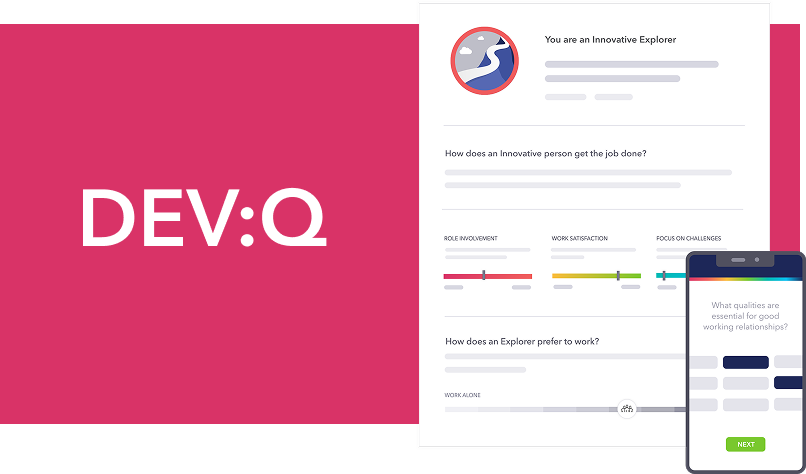
DEV:Q™ Leadership Profile Assessment
Captures narrative feedback from the workforce and analyzes it to surface themes, sentiment, and patterns, revealing how people really think and feel about safety, leadership, and communication.
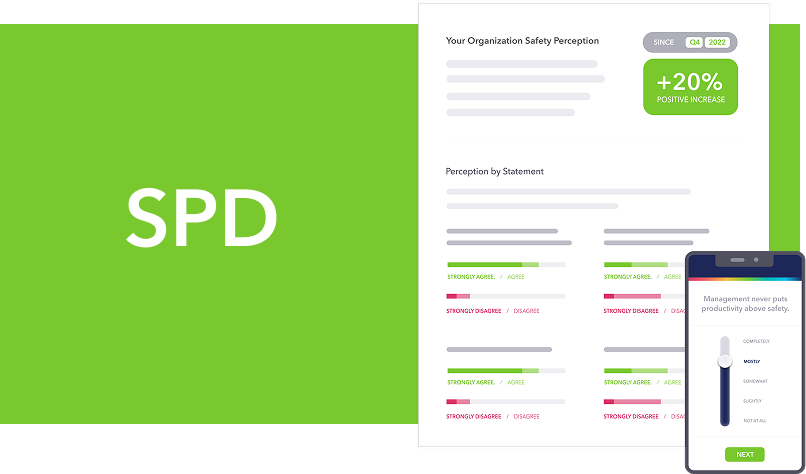
Safety Perception Diagnostic (SPD)
A structured, quantitative diagnostic that benchmarks the maturity of your safety culture across key safety drivers such as leadership, trust, learning and communication, giving you a clear, data‑backed view of where your culture is strong and where deeper attention is needed.
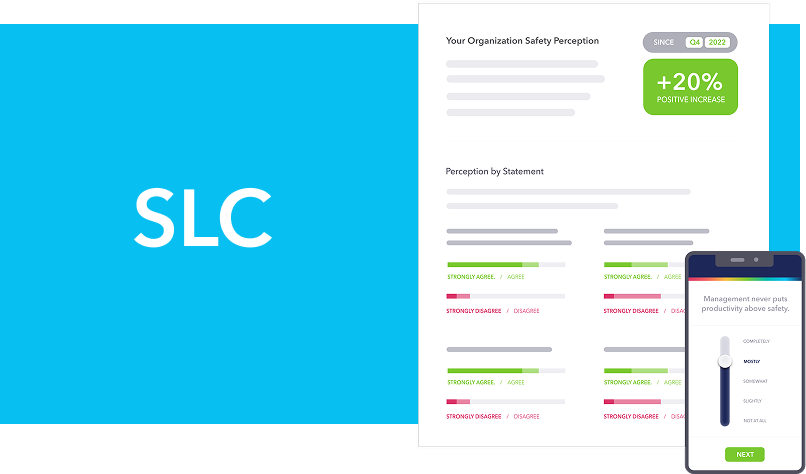
Safety Leadership Characteristics (SLC)
Provides practical insight into leadership preferences and behaviors using our proprietary 12 Characteristics of Safety Leadership, helping leaders understand how their style influences safety and team culture, providing a strong foundation for targeted development
Human insight and on the ground observation
Technology alone doesn’t tell the whole story. It shows what’s happening but not always why it’s happening. To get to the root of this, we combine our diagnostics with:
Interviews with employees at every level
Site visits to observe how work actually gets done, including the interaction between people and systems
HSE system reviews to understand where policies support or hinder safe performance
Real‑world observation of leadership behaviors and decision‑making
This multi-dimensional assessment gives you a full picture of the current reality — and the factors shaping it.
Our diagnostic framework
We structure our insights around four core focus areas:
How: Uncovering mindsets
We explore how individual mindsets contribute to team and organizational culture.
What: Identifying perceptions
We examine what employees believe about safety and leadership, and how this shapes behavior.
Why: Exploring underlying themes
We dig into the drivers of those perceptions, including leadership alignment and communication.
Risks: Highlighting operational gaps
We identify systemic risks and cultural blind spots that may hinder performance or safety outcomes.
Proven results
What organizations gain from working with us:
Real risks and cultural blind spots revealed
Leadership assumptions, decision‑making patterns, and cultural norms that unintentionally create risk are clearly surfaced and understood
A clear view of the day-to-day safety culture
A detailed understanding of of how leaders and teams actually think, decide, and behave in real work
Visibility of gaps between work plans and reality
Where work as planned breaks down in practice, and the conditions that increase risk, are made visible
Leadership alignment and ownership
Senior leaders are aligned on the issues that matter and take clear ownership of what happens next.
A clear, evidence-based path forward
A practical, tailored roadmap provides clear direction on how to reduce exposure and build capability over time
Focus where it matters most
Time and investment are directed to the areas with the greatest potential impact on safety and performance
Explore our solutions
Our solutions are tailored to build the culture and leadership required for sustained high-performance, adapting to the realities of different operating environments whilst making performance reliable under pressure.
Creating a culture that supports safety and performance is a long-term journey. The assessment phase helps you understand where you are today and what’s needed to move forward with clarity and confidence.
Contact us to learn how we can help you build a culture where safety, learning, and performance go hand in hand.
Let’s Start the Conversation
Change starts here. Let’s talk about how JMJ can help solve your safety and performance challenges.