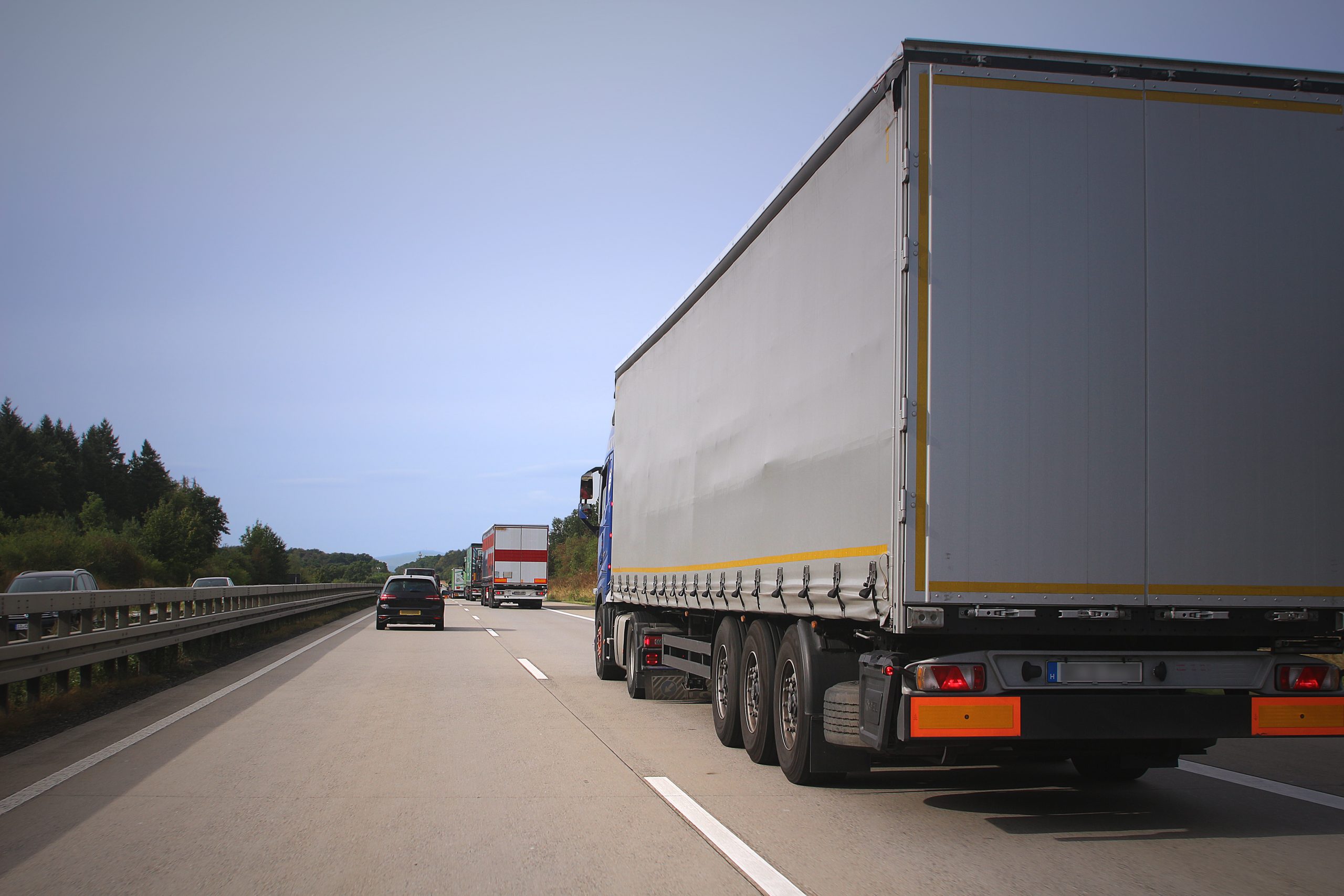
In the third of their short articles addressing fleet safety, JMJ’s Rick Cates and Alex Galor explore seven simple actions to promote safety when driving in or around large commercial motor vehicles.
Navigating the roads alongside large Commercial Motor Vehicles (CMVs) such as trucks or buses can be an intimidating experience for many drivers. However, it doesn’t have to be a risky one. For drivers of these large vehicles, the safety of other road users lies in their hands. For all road users, understanding how to interact safely with CMVs is essential. Here are seven Fleet safety tips:
- Be aware of the blind spots: CMVs have larger blind spots than your typical car or pick-up truck. According to the Federal Motor Carrier Safety Administration (FMCSA), about 20% of all fatal crashes involving CMVs are caused by blind spots. Stay extra vigilant when driving within these zones on all roadways. These blind spots are often referred to as “no-zones.” To stay safe, avoid lingering in these areas, especially the rear and sides of the CMV. Be aware of the truck’s mirrors – if you can’t see the driver in the mirrors, they can’t see you.
- Understand turn radius and off-tracking of trailers: Large CMVs require a lot of room to maneuver, especially at intersections. They have a much larger turn radius than passenger cars, making it vital to be aware of this when they’re turning. Always provide ample space between your vehicle and the CMV, and never attempt to pass them on the inside of a turn. Keep a safe distance and let the truck complete its turn safely.
- Be predictable: Predictable driving habits, such as maintaining a safe following distance, using turn signals to indicate your intentions, and minimizing distractions, helps keep our roads safe and reduces the likelihood of collisions. Be a courteous and defensive driver to protect yourself and others.
- Exercise patience: Patience is a virtue when driving with and around CMVs. Pass them slowly and carefully, especially in areas with construction or high traffic density, where you are more likely to be in their blind spot. When you encounter a CMV on the side of the road, slow down and give them plenty of space. Remember, these vehicles have specific needs and may require more time and space to navigate safely.
- Prioritize communication: Effective communication is crucial for road safety. Use turn signals, hazard indicators, and headlights to inform CMV drivers of your intentions and potential road hazards. Communication helps create a safer driving environment for everyone on the road. Always be ready to respond to the signals and actions of CMV drivers and other motorists.
- Avoid fatigue: A moment of lost focus can have serious consequences. Take regular breaks, get off the road and find a safe place to rest.
- Eliminate distractions: Even a quick glance at your phone, tuning in to your favorite radio station or taking a sip of coffee diverts your attention for long enough for a crash to occur. Ask yourself if any of these actions are more important than a human life.
As organizations, we have a responsibility to promote safe driving among our employees, whether they are commuting to and from work or driving between work sites, or operating large commercial motor vehicles transporting goods or people on our behalf. Promoting safety when driving with and around large commercial motor vehicles is a shared responsibility that must be taken seriously by all road users. By constantly adhering to these essential safety tips, we can contribute to a safer road environment for everyone. Remember, road safety begins with you, and consistently practicing these principles can help prevent accidents and save lives.
For more on this topic, we recommend the following articles:
JMJ’s Incident and Injury-Free™ (IIF™) Fleet safety solution can help transform your fleet’s safety culture and performance. Contact us today to learn more and take the first step towards a safer future on the road.